
Call Us07971891545( PIN:833)

Reactive HE Dyes

Reactive HE Dyes

Product Details:

  • Molecular Formula Varies based on color
  • Density 1.5 Gram per cubic centimeter(g/cm3)
  • Shelf Life 2 years (when stored properly)
  • Melting Point >200°C (typically decomposes before melting)
  • Water Resistance High
  • Smell Odorless
  • Grade Industrial Grade
X

Reactive HE Dyes Product Specifications

  • 99% Min.
  • Solid – Powder/Granular/Paste
  • Varies
  • High Exhaust Dyes, HE Dyes
  • Standardized up to 100%
  • Excellent washing, light, and perspiration fastness
  • Not applicable (decomposes)
  • Standard packaging: 25kg bags/drums
  • Varies per dye, typically 12225-82-4, etc.
  • Varies per dye (commonly not assigned for mixtures)
  • 6 – 7 (1% soln)
  • Clear solution when dissolved in water
  • Non-Poisonous
  • Max 2.0
  • Reactive Dye
  • Powder, Granular, or Paste
  • Very Good
  • 32041600
  • Used for coloring textiles, especially cellulose fibers (cotton, viscose), also blends of polyester/cotton
  • Odorless
  • Soluble in water
  • Textile Industry
  • Industrial Grade
  • Odorless
  • High
  • >200°C (typically decomposes before melting)
  • 1.5 Gram per cubic centimeter(g/cm3)
  • 2 years (when stored properly)
  • Varies based on color

Reactive HE Dyes Trade Information

  • Asia, Australia, Central America, North America, South America, Eastern Europe, Western Europe, Middle East, Africa
  • All India

Product Description

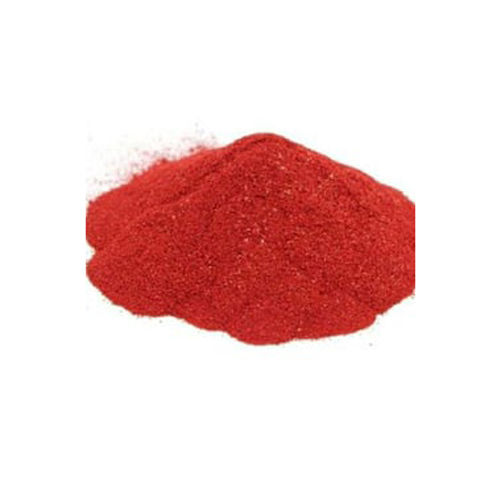
Reactive HE Dyesare specially produced for the purpose of exhaust dyeing under long liquor proportions. These kinds of dyes are less sensitive to time & temperature, and glauber salt concentration. Level and fastness characteristics are better than M brand reactive when compared. These are suitable for dyeing knitwear as well as cellulosic component of cellulosic / polyester blended cloths. Processed by expert professionals with approved methods using needed compounds,Reactive HE Dyesare available in many different desired colors with safe packaging.

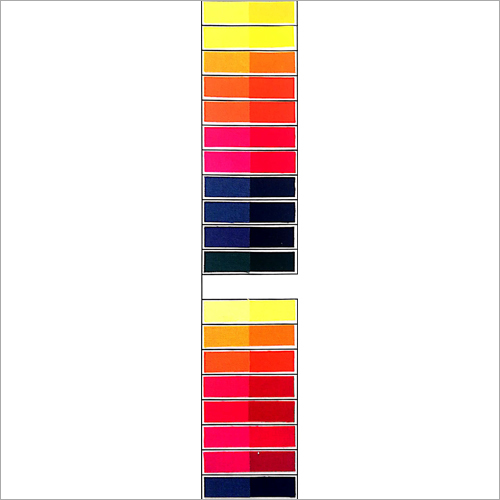
Product Specification :

Direct Dyes (Non Benzidine)

Solubility at 50oC (gms/lit)

Fastness to

Light 1/1

Washing

Hypochlorite

Perspiration

Yellow HE4G
Yellow 81

70

55

5

1-2

4

Yellow HE6G
Yellow 135

70

5

5

1-2

4-5

Golden Yellow HER
Yellow 84A

80

5

5

2-3

4-5

Orange HER
Orange 84

50

4-5

4-5

3

3-4

Orange HE2R
Orange 84

50

4

4

3

3-4

Red HE7B
Red 141

100

4-5

4-5

3-4

4-5

Red HE8B
Red 152

100

4-5

4-5

3-4

4-5

Blue HERD
Blue 160

90

5

4-5

1

5

Navy Blue HER
Blue 171

70

5

3-4

3-4

4-5

Navy Blue HE2R
Blue 172

70

4

2-3

2-2

4

Green HE4BD
Green 19

100

4-5

2-5

2

4-5


Versatile Color Options for Textile Needs

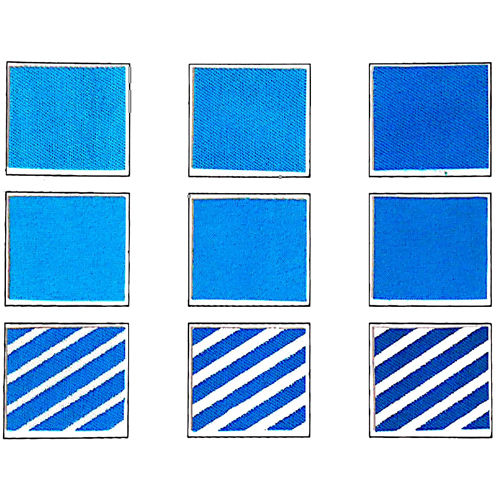
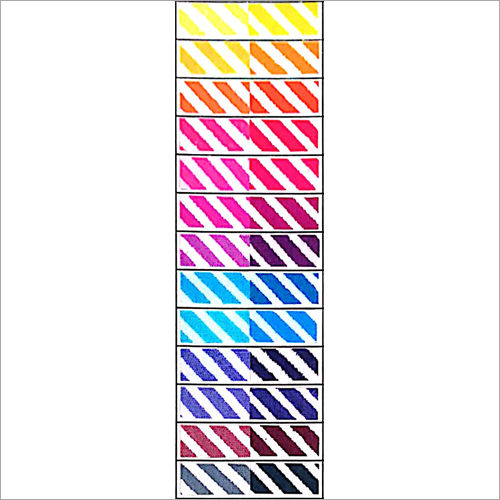
Reactive HE Dyes are available in a comprehensive spectrum, from vibrant yellows and reds to deep blues and blacks. This wide selection allows textile manufacturers and dyers to achieve precise, consistent shades for an array of fabric styles. Custom blending further expands the color possibilities, meeting the diverse demands of global markets.


Efficient High Exhaust Dyeing Process

Designed specifically for long-liquor, high-exhaust applications, these dyes maximize uptake and produce uniform coloration on cellulose fibers such as cotton and viscose. The recommended dyeing temperature of 8085C, along with alkali and salt fixation, ensures deep penetration and lasting colorfastness, optimizing both small and large-scale production.


Consistent Quality and Reliable Performance

Manufactured and standardized with a minimum purity of 99%, Reactive HE Dyes provide superior wash, light, and rubbing fastness. This reliability is critical in the textile industry, where durability alongside color brilliance determines product appeal. Their high compatibility with standard dyeing auxiliaries further streamlines production processes.

FAQs of Reactive HE Dyes:


Q: How are Reactive HE Dyes typically applied in textile processing?

A: Reactive HE Dyes are applied using the high exhaust, long-liquor dyeing method at elevated temperatures (8085C). The process involves dissolving the dye, adding fabrics, and then fixing the color with alkali and salt to ensure even penetration and vibrant, long-lasting shades.

Q: What types of fibers are suitable for dyeing with Reactive HE Dyes?

A: These dyes are ideal for cellulose-based fibers such as cotton and viscose, as well as for blends like polyester/cotton. Their chemistry ensures excellent bonding and high color yield on such substrates, making them popular in textile manufacturing.

Q: When should I use Reactive HE Dyes over other dye classes?

A: Choose Reactive HE Dyes when you require outstanding wash, light, and perspiration fastness, especially for garments and home textiles exposed to frequent cleaning or sunlight. They are preferred in applications where brilliant, durable colors and high levelness are essential.

Q: Where should Reactive HE Dyes be stored to maintain quality?

A: For optimal shelf life and stability, store Reactive HE Dyes in a cool, dry place away from direct sunlight. Proper storage, such as in sealed bags, drums, or HDPE containers, protects them from moisture and contamination.

Q: What is the fixation method used with Reactive HE Dyes?

A: Fixation is achieved by adding alkali and salt during the dyeing process. This promotes strong covalent bonding between the dye and fiber, ensuring that the resulting color is wash-fast and resists fading or bleeding.

Q: How do Reactive HE Dyes benefit the textile industry?

A: They offer vibrant colors, excellent fastness to washing, light, and perspiration, and high compatibility with standard auxiliaries. Their reliable performance leads to reduced re-dyeing, consistent fabric quality, and superior end-product appeal.

Other Products in 'Reactive Dyes' category


Back to top